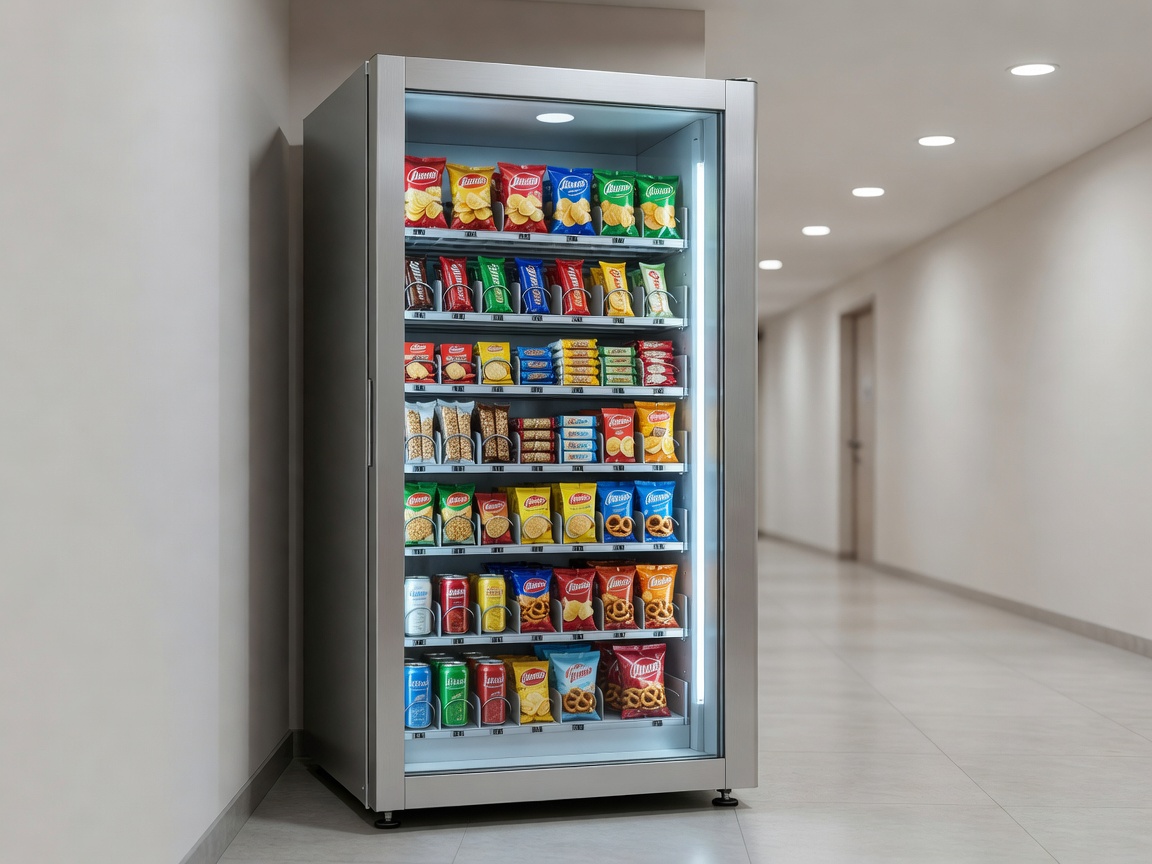
Snack, beverage and combo cabinets
How glass-front spirals, chilled drink machines and dual-zone combos differ in footprint, energy load, product care and jam risk — and when two dedicated cabinets beat one mixed machine.
Read the cabinet guideOperator guides
Reelradarpurepixls helps facilities teams, independent operators and site managers compare cabinet types, payment setups, placement and day-to-day routines. The focus is selection logic, not catalogue slogans.
Each guide covers a decision that usually gets postponed until a machine is already on site. Start with the constraint that is biting hardest: product range, floor space, cash handling, labour, or hygiene.
How glass-front spirals, chilled drink machines and dual-zone combos differ in footprint, energy load, product care and jam risk — and when two dedicated cabinets beat one mixed machine.
Read the cabinet guide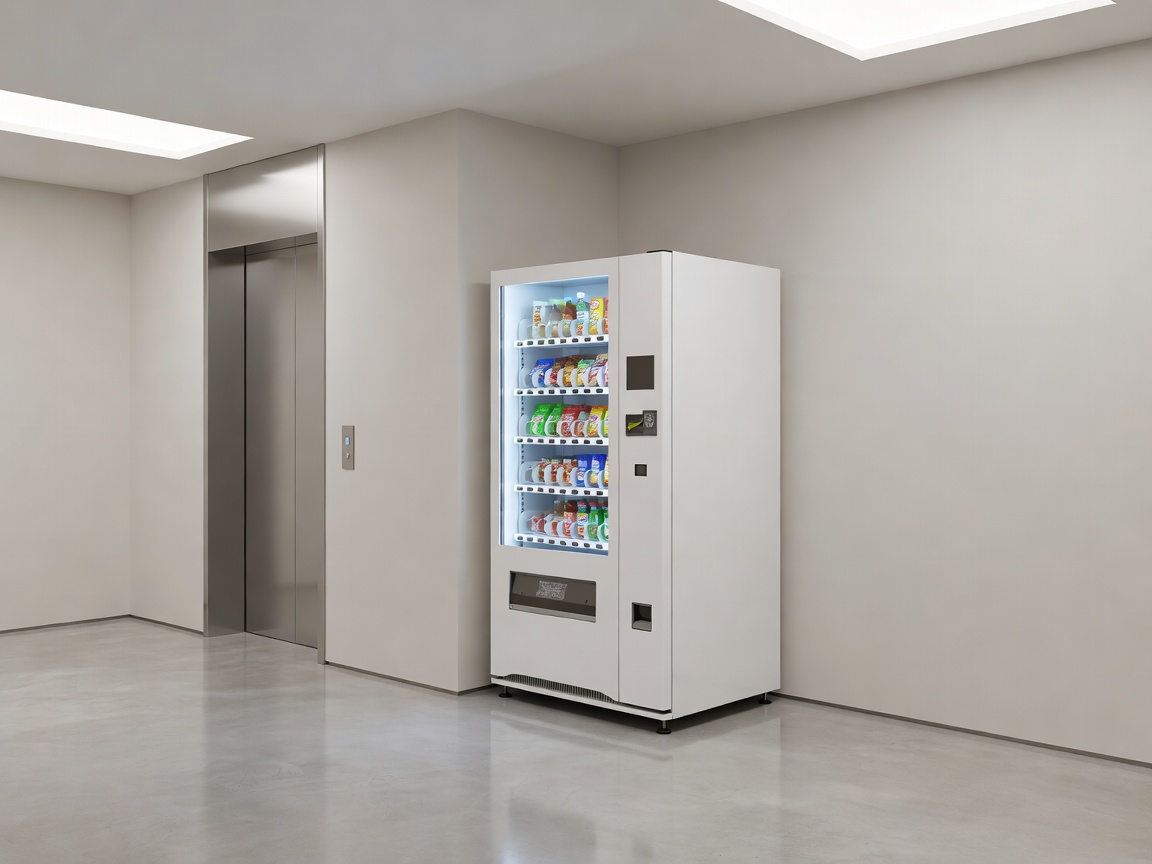
Power, trolley access, sightlines, landlord permissions and weather exposure decide more outcomes than paint colour. Use a placement checklist before you sign a supply agreement.
Read the location guide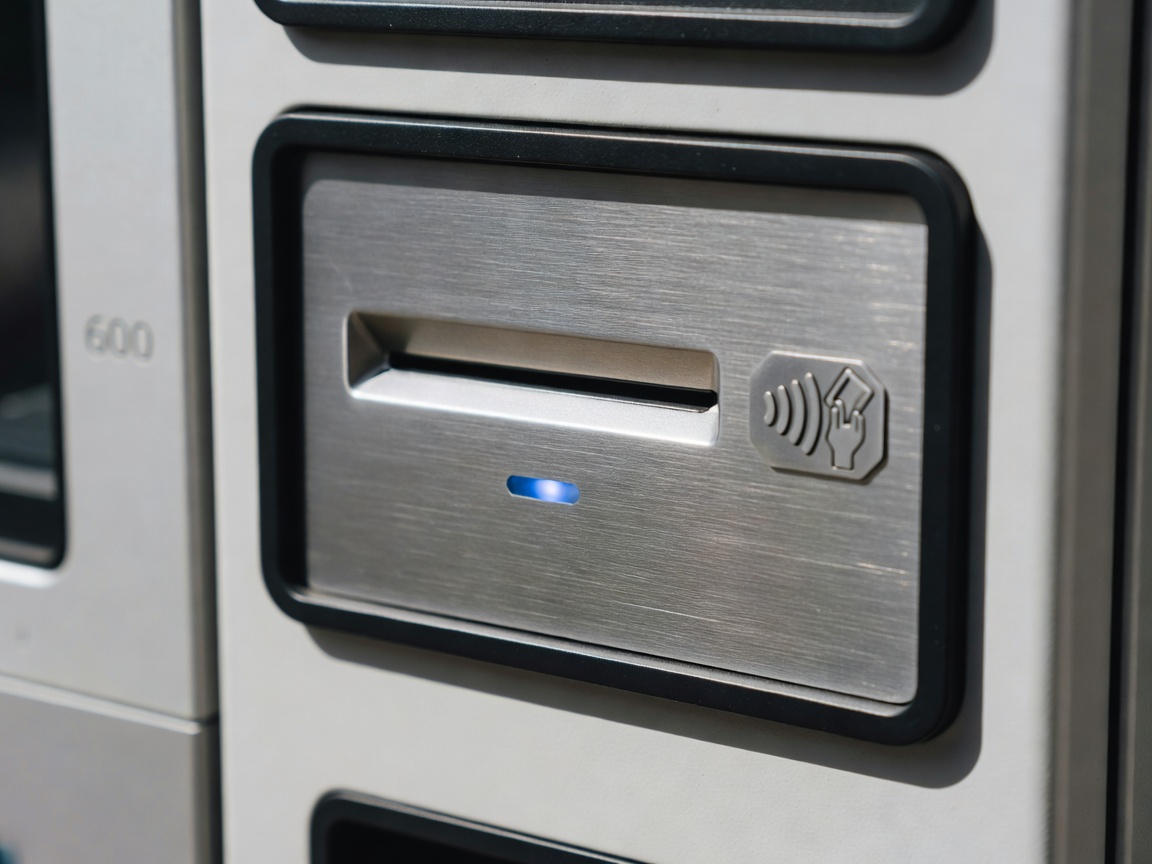
Compare float handling, note jams, contactless readers, offline modes and telemetry. Choose a payment mix that matches the site’s users, not a default package.
Read the payments guide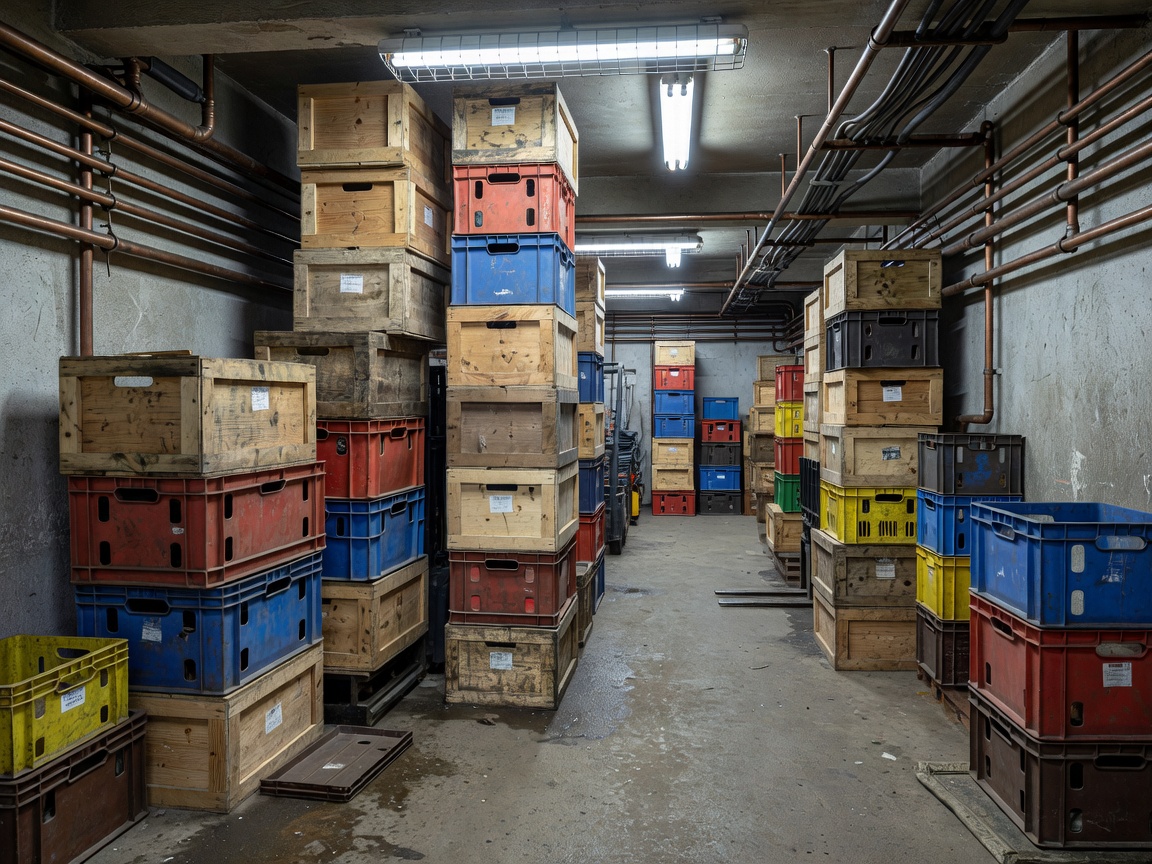
Turn a cabinet into a route: product mix, expiry rotation, visit cadence, waste and the records that keep multi-site programmes honest.
Read the operations guide
Separate daily wipe-downs from licensed refrigeration work. Build a hygiene and service log that stands up to a facilities audit.
Read the maintenance guideMost underperforming machines share the same pattern: a cabinet chosen from a brochure, a location chosen from leftover floor space, and a restock visit squeezed into someone else’s round. Reverse that order.
If you want a second pair of eyes on a site brief, use the contact form. For cabinet comparisons start with machine types; for the weekly grind start with operations.