Cabinet guide
Snack, beverage and combo vending machines
Pick the cabinet after you know the product mix, temperature needs and restock path. A mismatched box is expensive to live with even when the purchase price looked modest.
Vending cabinets are not interchangeable refrigerators with a payment slab on the front. The mechanism that delivers a bag of crisps is different from the one that drops a cold can, and both are different from a dual-zone unit that tries to do both without wasting energy or product. Treat the cabinet as a piece of site equipment with a labour plan attached, not as furniture.
This guide compares the three formats most operators actually specify: ambient or lightly cooled glass-front snack machines, dedicated chilled beverage machines, and combo cabinets that split the interior. Frozen food, hot drinks and unattended micromarkets sit in neighbouring categories; the same placement and hygiene logic applies, but the mechanics and legal food-safety burden change. If you are still choosing a floor tile, read location planning first. If labour is the constraint, skip ahead to operations.
Glass-front snack cabinets
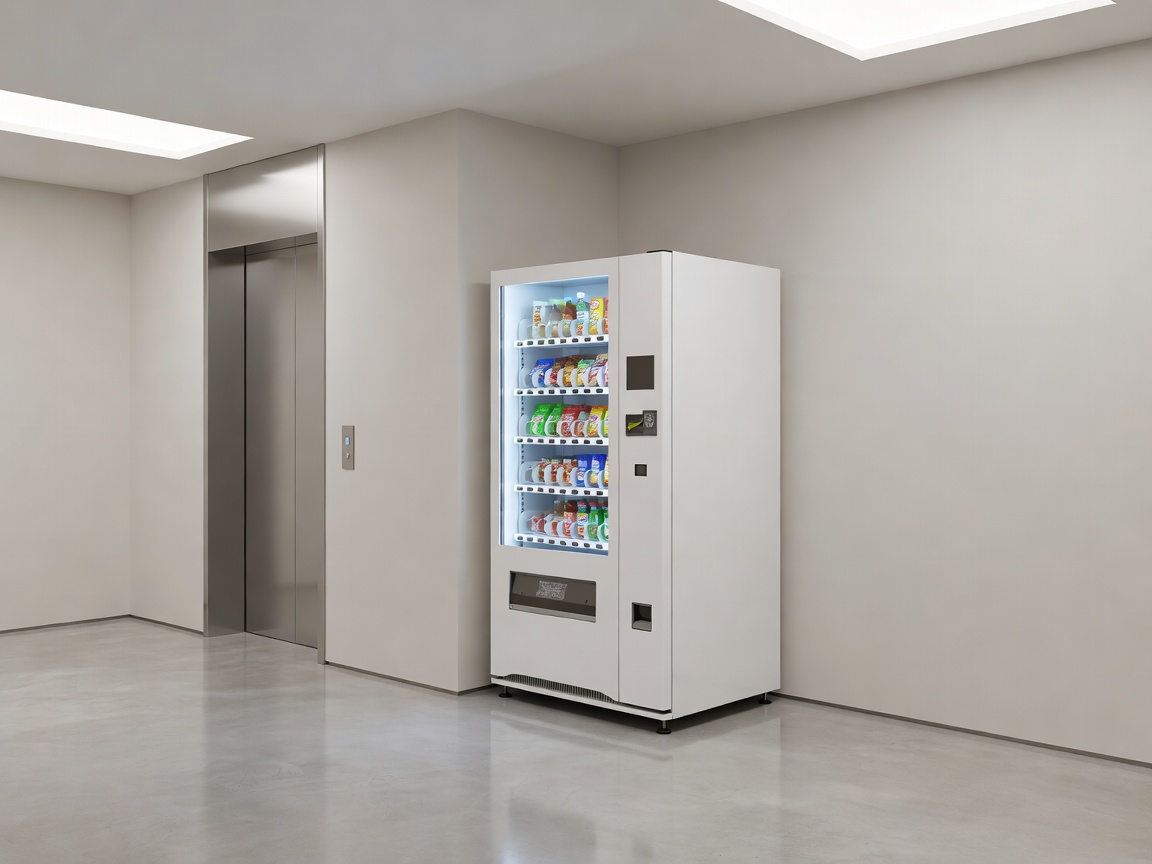
Glass-front machines display spiral or conveyor trays behind a door. Customers see the pack, not a faded fascia photo, which reduces the classic “wrong product dropped” complaint. Ambient snack cabinets are the lightest electrical load in this family because they often run only a control board, lighting and perhaps a modest cooling circuit to keep chocolate from blooming in a warm corridor.
Spirals are cheap to configure and easy to planogram, but they punish irregular packs. Tall cartons, soft pouches and anything that can twist in the coil will jam. Elevator or conveyor drop systems reduce impact damage on heavier items and can handle a wider pack set, at the cost of more moving parts and a longer vend cycle. If your mix is mostly standard bags and bars, spirals remain a sensible default. If you intend to sell sandwiches, fruit pots or glass bottles from the same ambient box, you are already arguing with the machine’s design.
Pros: lower energy use than a fully chilled cabinet, flexible tray layouts, strong visual merchandising, relatively simple restocking. Cons: limited hold time for anything perishable, jam sensitivity, and a habit of being used as a “catch-all” for products that should have been refrigerated. Do not treat a glass door as a hygiene control. It is a shop window.
Chilled beverage cabinets
Dedicated drink machines are built around temperature first. Insulation, evaporator placement and door seals exist so a can or bottle is cold at the point of vend, not merely cool at the back of the column. Glass-front drinkers merchandise well in offices and leisure sites; sealed-front or closed-column designs can be more robust in workshops, plant rooms and semi-public corridors where the glass is a vandalism target.
Delivery is usually gravity or a gate that releases one unit from a stack. That is mechanically simpler than a snack spiral, which is why drinker jam rates are often discussed in terms of packaging (dented cans, uneven bottles) rather than coil timing. The operating cost sits in refrigeration: the compressor cycles against door openings, ambient heat and dirty condensers. A drinks cabinet in direct sun against a south-facing window is not a merchandising win; it is a compressor endurance test. Pair this page with maintenance before you accept a “we’ll put it by the entrance” drawing.
Pros: product quality that matches expectation, simpler vend path, layouts people already understand. Cons: higher energy use, condensation and drip management, more unforgiving site physics (level floor, airflow around the condenser, a door that can open fully for a cage of drinks). If the site cannot offer a reasonable ambient temperature and clear vents, a chilled cabinet will run expensive even when sales look healthy.
Combo and dual-zone cabinets
Combo machines exist because many locations want drinks and snacks in one footprint. The honest version is a dual-zone cabinet with a real thermal split: a chilled section that holds temperature and an ambient section that does not steal that cold. The less honest version is a single cold box stuffed with chocolate and sandwiches, or a warm box with drinks that disappoint.
A genuine dual-zone unit costs more to buy and more to keep in parts, because you inherit two climate problems and two merchandising problems. You also inherit a restock pattern that is rarely even: drinks empty on a hot week while ambient trays linger past their best. That is not a cabinet fault; it is a planogram fault that the cabinet makes visible. Combos still win when door width, landlord permission or electrical capacity allows only one footprint, and when a named operator will visit often enough to rebalance the mix.
Pros: one payment stack, one power drop, one visual destination for the customer. Cons: compromise on tray depth and drink columns, more complex fault-finding, and a strong temptation to overload the chilled zone with products that do not belong together. Two modest dedicated cabinets can be easier to live with if the corridor can take both and you can feed both on the same round. Compare labour, not just millimetres.
Mechanisms, capacity and the things brochures skip
Capacity numbers are only meaningful next to pack size. A “wide” snack tray that holds ten facing of a slim bar may hold six of a larger share bag. Ask for a tray map with your actual SKUs, not generic silhouettes. Height of the first tray matters for accessibility; so does the force needed to close a glass door. If you serve a site with wheelchair users or staff who restock from a seated position, those details are not optional extras.
Energy labelling and insulation quality vary by cabinet generation. Older glass doors leak more cold; LED lighting loads are trivial next to a struggling compressor. Specify whether the site will keep the machine on 24 hours. Many corridors look empty at 21:00 but still need drinks at 05:30. Timed lighting is a small save; timed refrigeration on a drinks machine is a product-quality decision, not a green badge.
Noise is another brochure omission. Compressors and fans are audible in quiet offices and overnight wards. If the machine sits outside a meeting room, ask for a sound characteristic at a typical ambient, and plan a buffer of furniture or a slightly offset placement. Do not rely on “it is only a fridge” as a neighbourliness argument.
A practical way to choose
Write the product list first, including temperature and pack geometry. Mark each SKU as ambient-stable, chilled-short-life, or drinks. If more than a thin tail of the list needs chilling, you do not have an ambient snack problem. If drinks are the sales story and snacks are an afterthought, a dedicated drinker plus a small ambient tray elsewhere will often out-serve a squeezed combo. If the site insists on one silhouette, budget for dual-zone and for more frequent visits.
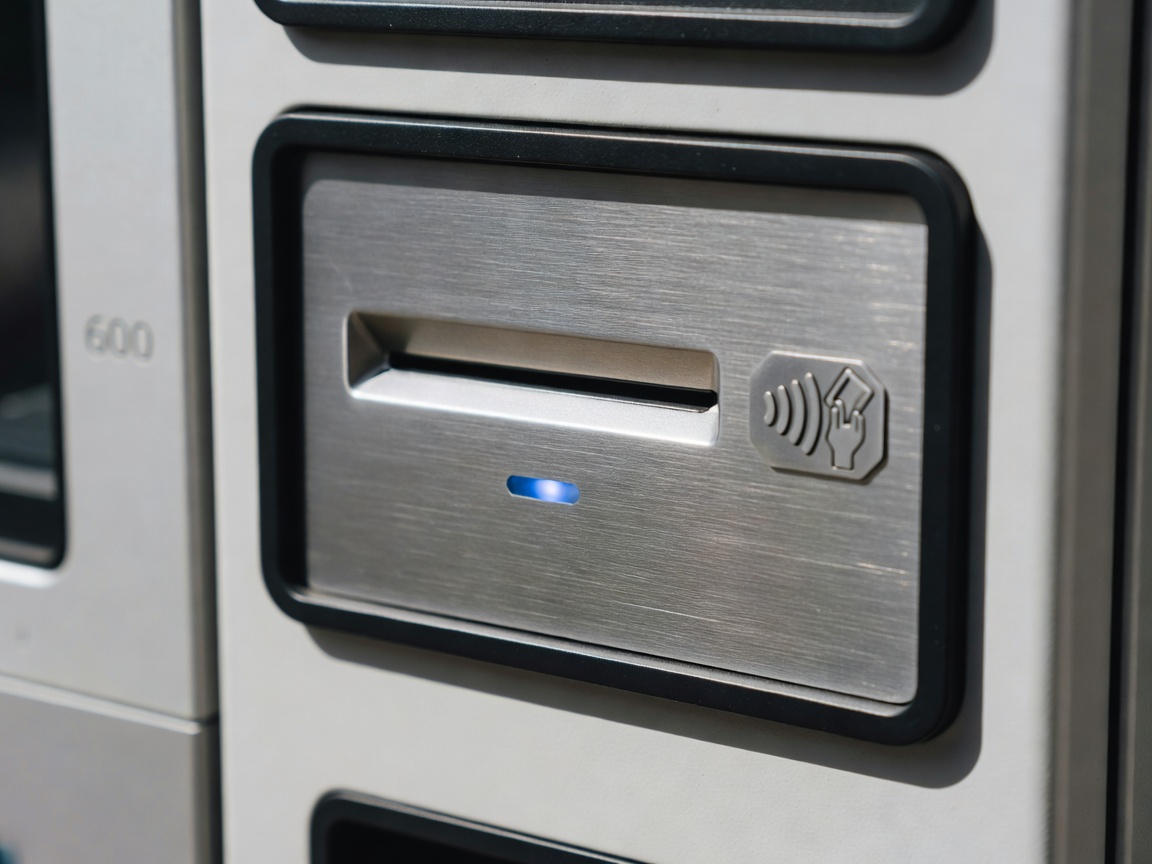
Then test the restock path with a loaded trolley, not a tape measure in an empty hallway. Cabinet choice is downstream of site physics and upstream of payment hardware. A beautiful glass-front unit with a reader that cannot see a card in that lighting, or a coil set that cannot vend the sandwiches you promised, is not a specification. It is a delay with a serial number.
When you compare supplier quotes, hold the cabinet constant in your own table: zone type, tray or column map, vend mechanism, door type, claimed ambient operating range, service access (front vs additional side clearance), and whether the payment device is integrated or a bolt-on. Ignore finish samples until those rows match. Colour does not refrigerate a can.