Payments guide
Coin, notes and cashless stacks
Payment hardware decides who can buy, how often you open the cabinet for float, and what happens when the site’s network has a bad afternoon. Specify behaviour, not logos on a reader.
A vending machine is a shop with one staff member: the payment device. If that device is fussy, slow, or confused by the lighting, the cabinet behind it might as well be empty. Operators still argue in stereotypes — “nobody carries cash”, “contactless always works”, “telemetry pays for itself” — without writing down the site’s actual users. Students, warehouse teams, hospital visitors and office contractors do not share a wallet.
This guide stays at the level of system design: coins and notes, cashless readers, offline modes, age checks, telemetry and the labour that sits around them. It does not quote merchant fees or name acquiring banks, because those change by contract. Hold your supplier to a behaviour table instead. Combine this with cabinet choice (the reader has to physically fit) and placement (glare and vandalism are payment problems too).
Cash is not obsolete; it is a logistics product
Coin mechs and note readers still make sense where users are paid in cash, where guests do not want a card trail, or where the building’s cellular coverage is a rumour. They also create a float: change to load, coins to collect, notes to bank, and a reason for someone to carry value through a car park. That is an operations cost, not a hardware footnote. Jams are part of the design. Damp notes, folded notes and foreign coins will arrive. If nobody on the round can clear a jam safely, you have unpaid downtime.
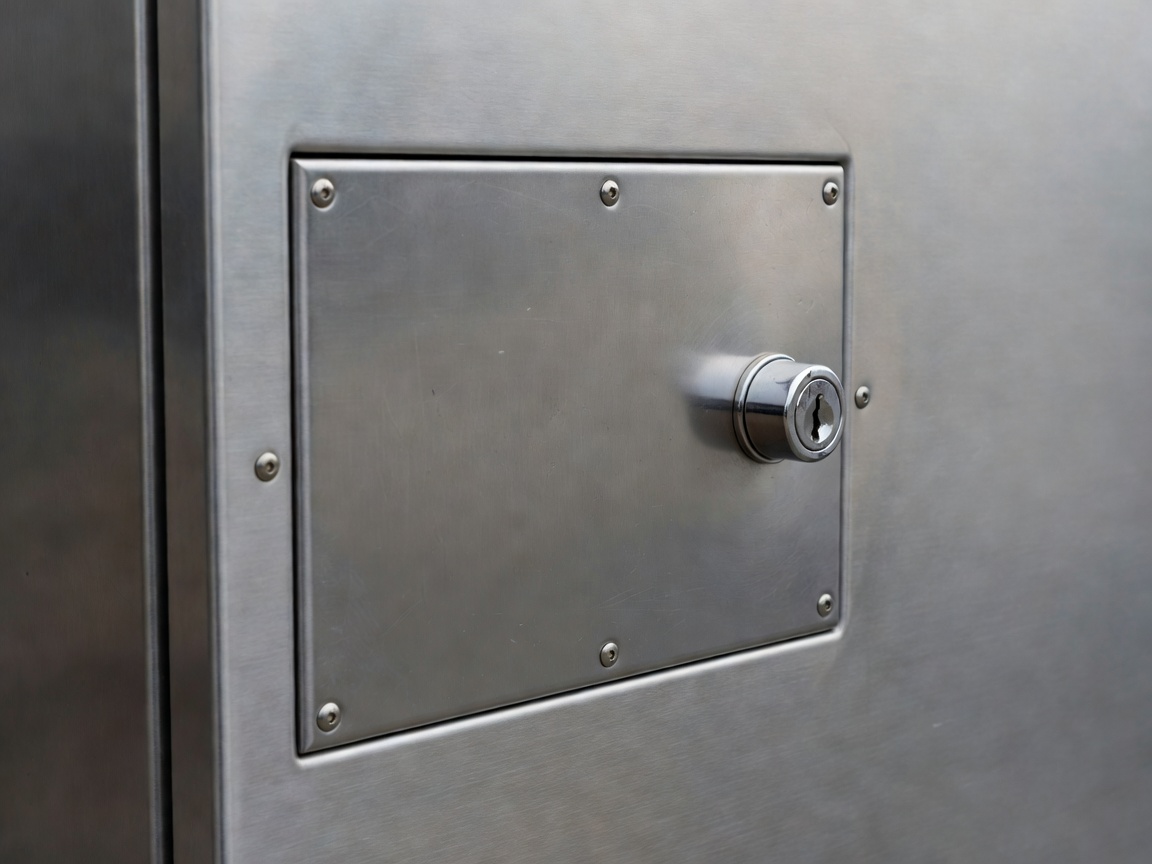
Pros of keeping cash: inclusion for unbanked or under-banked users, resilience when card networks wobble, no dependence on a radio module. Cons: theft and key control, counting time, mechanical wear, and a cabinet that must be opened more often even when product is still full. If you keep cash, specify a lock standard, a count process, and whether notes are recycled as change or pulled every visit. “We’ll see how it goes” is not a cash plan.
Cashless readers and the quiet failure modes
Contactless cards and phone wallets dominate many indoor workplaces because the vend value sits in a range people already tap without thinking. The reader still has to be mounted at a reachable height, away from metal that detunes the antenna, and out of direct sun that cooks the display. Users will tap the glowing logo, not the actual antenna coil, if you let the fascia design lie.
Online authorisation is tidy when the network is tidy. Sites with thick walls, basements and weekend shutdowns of corporate Wi-Fi need a documented offline mode: a floor limit, a store-and-forward behaviour, and a clear customer message when a tap cannot be completed. A reader that waits in silence until the person walks away is worse than a printed “cards unavailable” card. Multi-vend (one authorisation, several items) is useful in snack cabinets and chaotic if the customer does not understand the timeout.
Pros: less float, faster average vend, cleaner audit trails, easier remote price changes when paired with telemetry. Cons: connectivity dependence, scheme and device updates, accessibility of screens versus physical buttons, and the need for a refund path that does not involve a handwritten note taped to the glass. Ask who owns the merchant account, who sees chargebacks, and how a failed vend is matched to a cardholder without turning the restocker into a call centre.
Hybrid stacks
Many programmes should not pick a tribe. A coin mech plus a contactless reader covers night-shift cash and daytime taps. The cost is fascia space, two fault paths and a planogram of prices that both systems can actually pay. Odd prices that need five coins and also confuse a reader’s rounding rules will create queues of a different kind: people stabbing cancel. Keep a simple price grid until the site has proved it needs complexity.
Closed-loop staff badges, subsidy purses and visitor QR tickets appear in campuses and large employers. They can be excellent when the identity system is already trusted, and miserable when the vending integrator is the last to hear about a badge format change. Write the identity source, the subsidy rules, and the guest fallback into the same brief as the cabinet. A machine that only staff can use in a mixed building will be described as “broken” by everyone else.
Telemetry is a labour tool, not a trophy
Remote monitoring — inventory guesses, temperature alarms, cash-box flags, door events — earns its keep when someone looks at it and changes a round. It does not earn its keep as a dashboard nobody opens. DEX-style data dumps and modern cloud telemetry sit in the same job description: fewer wasted visits, faster response to a warm fridge, evidence for a client who thinks the machine is always empty. The quality of the data depends on the cabinet’s sensors and on whether planogram slots are mapped honestly. Garbage in remains garbage when it is plotted in neon.
Ask what happens when the radio dies. Does the machine still vend? Do you only lose the remote view? Who notices, and in how many hours? Telemetry that cannot raise a temperature alarm for a chilled cabinet is a reporting toy next to the hygiene duty described in maintenance. Buy the alarm path first if you sell perishable food.
Age-restricted products and accessibility
Where local rules require age checks for certain products, the payment and selection flow has to enforce them, not merely display a sticker. That may mean an assisted vend, a verified ID method, or not selling the category unattended at all. Do not improvise. If you cannot describe the check, take the SKU out of the machine. The rest of the planogram will survive the honesty.
Accessibility is a payment issue as much as a tray-height issue. Screens that time out too quickly, contrast that fails in daylight, and tap targets that sit behind a protruding bezel will exclude people you meant to serve. Physical buttons with tactile cues still help in industrial sites where gloves are normal. Test with the gloves, the sunlight and the noise of the real corridor, not a showroom. If the reader needs a PIN, privacy from shoulder-surfing matters in tight lobbies.
How to brief a supplier
Write a one-page behaviour matrix: accepted tenders (coins, notes, contactless, closed-loop), offline rule, refund path, price-change method, reporting, and who attends a reader failure. Include mounting height and lighting. Leave merchant pricing to the commercial schedule; do not let a low hardware quote hide an acquiring setup you cannot live with. Then make sure the restock round in operations includes cash collection if cash remains, and a simple customer-facing note for card downtime.
Upgrade paths deserve the same matrix. Bolting a reader onto an old board can work; it can also mean two clocks, two error codes and a vend that completes after the reader has already given up. Ask for a stated protocol between reader and cabinet, and for a spare reader policy. Payment is the part of the machine the public touches. It deserves the same seriousness you give refrigeration, even though it makes less noise.